Darknet Markets 2026:
The dark web is part of the deep web but is built on darknets: overlay networks that sit on the internet but which can't be accessed without special tools or software like Tor. Tor is an anonymizing software tool that stands for The Onion Router — you can use the Tor network via Tor Browser.
| Darknet Market | Established | Total Listings | Link |
|---|---|---|---|
| TorZon Market | 2022 | 140+ | Onion Link |
| Nexus Market | 2024 | 600+ | Onion Link |
| Abacus Market | 2022 | 100+ | Onion Link |
| Ares | 2026 | 100+ | Onion Link |
| Cocorico | 2023 | 110+ | Onion Link |
Updated 2026-10-27
How a Darknet Marketplace Works for Safe, Private Shopping
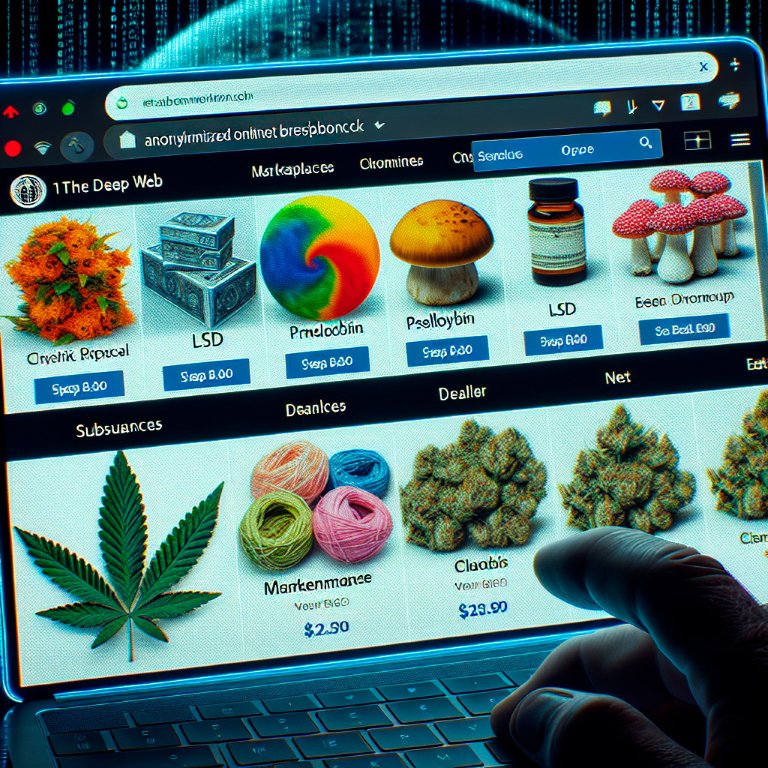
The foundational architecture of a darknet marketplace is a decentralized e-commerce platform operating on encrypted networks like Tor or I2P. This model facilitates direct peer-to-peer transactions between buyers and sellers globally, with the marketplace itself acting as a neutral intermediary. Its core function is to provide a secure environment for the trade of goods that are restricted or illegal in conventional markets, most notably recreational pharmaceuticals and digital commodities.
The model relies on several integrated components to function effectively. User anonymity is established through network-level encryption and pseudonymous accounts. Financial transactions are conducted using cryptocurrencies such as Bitcoin or Monero, which provide a layer of payment privacy distinct from traditional banking. A critical innovation is the multisignature escrow system. Here, funds for a purchase are held in a secure, third-party wallet until the buyer confirms satisfactory receipt of the goods. This mechanism significantly reduces the risk of fraud for both parties, as the seller cannot access the payment without buyer release, and the buyer cannot arbitrarily reclaim funds after delivery.
Trust and quality assurance are managed through a transparent user feedback and reputation system. After each transaction, participants can leave detailed reviews and rate each other on metrics like product quality, shipping speed, and communication. This creates a self-regulating ecosystem where reputable vendors gain visibility and trust, while unreliable actors are quickly identified and marginalized by the community. The range of available products is diverse, extending beyond pharmaceuticals to include:
- Digital goods such as software licenses, e-books, and tutorials
- Forged or anonymized documents
- Various other discretionary items
Operational security is paramount for platform stability. Administrators employ robust encryption, regular backups, and infrastructure redundancy to maintain uptime and protect user data. This technical resilience, combined with the economic incentives for both vendors and buyers to participate in a secure system, contributes to the observed reliability and longevity of successful darknet marketplaces, making them a persistent feature of the online landscape.
How Cryptocurrencies Enable Private Purchases on the Darknet
The financial architecture of darknet marketplaces is built upon cryptocurrencies, primarily Monero and Bitcoin. These digital currencies provide a necessary layer of financial anonymity that traditional payment systems cannot offer. Transactions do not require the disclosure of personal identifiers like names or bank details, effectively severing the direct link between a user's real-world identity and their marketplace activities.
This system operates on a public ledger, the blockchain, but the identities behind wallet addresses are obscured. For enhanced privacy, Monero uses advanced cryptographic techniques to hide transaction amounts and participant addresses by default. While Bitcoin transactions are more transparent, users employ tumbling services or coin mixers to break the traceable chain of custody on the blockchain. The process is straightforward:
- A buyer deposits cryptocurrency into their marketplace wallet.
- Funds are held in a secure escrow managed by the platform.
- Upon order completion and confirmation, the escrow releases payment to the vendor.
This method ensures that no sensitive financial information is exchanged between trading parties. The decentralized nature of cryptocurrencies also makes the marketplace resilient to financial censorship and seizure attempts, contributing directly to the operational stability and reliability of the platform for all users.
How Escrow Makes Darknet Trade Safer for Everyone
The escrow system is a fundamental mechanism that enables secure transactions on darknet marketplaces. It functions as a neutral third-party service, holding the buyer's cryptocurrency payment until the ordered goods are delivered and confirmed. This process directly addresses the inherent lack of legal recourse in anonymous commerce by creating a conditional release of funds.
For the buyer, protection is achieved because payment is not immediately finalized. The funds remain in escrow, unavailable to the seller, until the buyer marks the order as received. This mitigates the risk of exit scams or vendors sending inferior products. If a dispute arises, marketplace moderators can review the case and release funds to the appropriate party.
The seller also benefits from this arrangement. Once a buyer places an order and funds the escrow, the seller has a guarantee that the payment is secured and cannot be reversed unilaterally. This encourages vendors to ship products reliably, knowing the money is reserved. The system thus builds a framework for enforced honesty.
Transaction security is enhanced through a multi-signature escrow variant. Here, the payment requires two out of three cryptographic signatures to be released: one from the buyer, one from the seller, and one from the marketplace. This further decentralizes trust, as no single entity has sole control over the funds.
The operational flow is straightforward:
- A buyer selects a product and sends payment to the marketplace's escrow address.
- The seller is notified and ships the item.
- Upon delivery confirmation, the buyer finalizes the order, triggering the escrow to release payment to the seller.
- If issues occur, the dispute resolution process is initiated before any funds are moved.
This automated, trust-minimized system is a primary reason for the stability and reliability of darknet platforms, facilitating anonymous shopping for drugs and digital goods with reduced financial risk for all participating parties.

How Feedback Builds Trust on the Darknet
The operational stability of darknet marketplaces is fundamentally dependent on systems of user feedback and reputation. These mechanisms create a self-regulating environment where trust is not assumed but must be earned and verified. Every transaction concludes with the buyer leaving detailed feedback on product quality, shipping speed, and stealth, alongside a numerical rating for the vendor. This cumulative data forms a transparent vendor reputation score, visible to all potential buyers.
This system effectively mitigates risk for both parties. For buyers, it provides a reliable method to identify trustworthy sellers of consistent quality, reducing the uncertainty inherent in anonymous transactions. Vendors with established, positive reputations have a strong economic incentive to maintain high standards, as their business viability depends directly on their public rating. A vendor with thousands of successful sales and a rating above 4.9 out of 5 demonstrates a proven track record of reliability.
The feedback is often granular and includes:
- Specific comments on product purity and accuracy
- Details on packaging and discretion
- Timeliness of delivery
- Quality of customer communication
This creates a competitive marketplace where high-quality vendors flourish while unreliable actors are quickly identified and marginalized through negative reviews. The result is a resilient ecosystem where trust is quantifiable, directly linking a seller's commercial success to their consistent performance and honesty. This user-driven accountability is a primary reason these platforms can function as stable and reliable commercial spaces.
Digital Goods and Documents on the Darknet
The range of products available on darknet marketplaces extends far beyond physical goods, with digital products and documents representing a significant and efficient category of trade. These items are delivered instantly and globally via encrypted channels, eliminating the risks and delays associated with physical shipping. This digital ecosystem supports a thriving economy for information and software.
Common digital goods include:
- Premium software licenses and activation keys for applications, operating systems, and security suites, offered at a fraction of their retail cost.
- E-books, guides, and tutorials on specialized topics, often focusing on skills related to privacy, security, or marketplace operations themselves.
- Forged or authentic digital documents, such as templates for identification, educational certificates, or financial statements, used for verification purposes in various jurisdictions.
- Stolen data dumps containing collections of usernames, passwords, or credit card information, which are then utilized in other fraudulent activities.
The transaction for these goods is seamless. After a purchase is made and the cryptocurrency is held in escrow, the seller provides a secure download link or directly transmits the data. The instant delivery model enhances user satisfaction and allows for rapid turnover of inventory. Buyer feedback and seller reputation scores are particularly crucial in this sector, as they verify the quality and legitimacy of the intangible product before a sale is finalized. This system creates a self-regulating environment where reliable vendors of digital goods can build a sustainable business based on positive reviews and repeat customers.
How Encryption Protects Privacy on the Darknet
Encryption is the fundamental technology that ensures the anonymity and security of all transactions and communications on a darknet marketplace. It functions as an unbreakable seal for digital information, transforming readable data into a scrambled code that can only be deciphered by the intended recipient with the correct key. This process is automatic and integral to the platform's architecture.
Every message between a buyer and a vendor is secured with end-to-end encryption. This means the conversation is encrypted on the sender's device and remains encrypted until it reaches the receiver's device. The marketplace servers only handle the encrypted data, making it impossible for the platform itself or any intercepting party to read the contents. This protects sensitive discussions about product specifics, delivery details, and feedback.
User identities are protected through layered encryption protocols. Access to the marketplace itself requires tools like Tor, which encrypts and routes traffic through multiple relays, masking the user's original IP address. Furthermore, all user activity within the sitebrowsing listings, viewing profiles, and managing ordersis wrapped in standard SSL/TLS encryption, the same technology used by online banks. This creates a secure tunnel that prevents outsiders from seeing what pages a user is visiting or what data they are submitting.
The security model extends to financial transactions. While cryptocurrency payments occur on their respective blockchains, the critical addresses and transaction details shared on the marketplace are communicated over these encrypted channels. This prevents address manipulation and ensures that funds are sent to the correct vendor's wallet. The combination of these encryption methods creates a robust environment where:
- Personal identities and physical locations are concealed.
- Financial transactions are obfuscated and secure.
- All communications remain private between the involved parties.
This technical foundation is what allows participants to engage in commerce with a high degree of confidence in their personal safety and operational security, making the ecosystem stable and reliable for its users.
How Darknet Markets Stay Online and Reliable
The sustained availability of darknet marketplaces is a direct result of sophisticated operational security (OpSec) practices. These protocols are not optional but are foundational to the ecosystem's function, ensuring that platforms remain accessible to users despite external pressures. The core principle involves decentralization and redundancy. Market infrastructure is typically hosted across multiple servers in jurisdictions with favorable laws, often utilizing bulletproof hosting services. If one node is compromised or taken offline, the service can failover to another, maintaining uptime and reliability.
Administrators employ strict compartmentalization. The technical staff maintaining the servers are often separate from the financial operators, a practice that limits the impact of any single point of failure. All internal communications are conducted over encrypted channels, using tools like PGP and secure messaging apps, to prevent interception and infiltration. Regular security audits and penetration testing are conducted to identify and patch vulnerabilities before they can be exploited.
For financial resilience, marketplaces use multi-signature escrow systems that do not require all coins to be held in a single, central wallet vulnerable to seizure. This distributed custody model protects both the market's treasury and the funds of buyers and sellers in transit. The combination of these technical and procedural measures creates a robust framework. It allows darknet markets to offer a stable and consistent service, which is essential for conducting anonymous trade in digital goods and other commodities, as it builds user confidence through predictable access and transaction security.

How Darknet Markets Stay Reliable
The stability of darknet marketplaces stems from a convergence of economic and technological factors that create a self-reinforcing system. Unlike temporary scam sites, leading platforms operate on principles of long-term profitability, which is only achievable through consistent reliability. This incentivizes administrators to maintain robust operational security and a fair trading environment.
Technological infrastructure provides the foundation. The use of Tor hidden services and strong end-to-end encryption for all communications makes direct takedowns by adversaries technically challenging. Marketplaces further decentralize risk by employing escrow systems and requiring multisignature cryptocurrency transactions. This removes the need for a central, vulnerable treasury of funds, distributing financial control between buyer, seller, and marketplace.
From a user perspective, stability is enforced by community-driven mechanisms. The reputation and feedback system creates a powerful form of quality control. Vendors with long histories of positive reviews have a significant financial interest in the platform's continued operation, acting as stakeholders. This collective investment in a marketplace's brand discourages exit scams, as the future revenue from a trusted reputation far outweighs the one-time gain of stealing escrow funds.
The result is a resilient ecosystem where:
- Platforms gain value through sustained trust and transaction volume.
- Vendors are financially anchored to the marketplace by their built-up reputation capital.
- Buyers are protected by encryption, escrow, and transparent peer reviews.