Darknet Markets 2026:
The dark web is part of the deep web but is built on darknets: overlay networks that sit on the internet but which can't be accessed without special tools or software like Tor. Tor is an anonymizing software tool that stands for The Onion Router — you can use the Tor network via Tor Browser.
| Darknet Market | Established | Total Listings | Link |
|---|---|---|---|
| TorZon Market | 2022 | 140+ | Onion Link |
| Nexus Market | 2024 | 600+ | Onion Link |
| Abacus Market | 2022 | 100+ | Onion Link |
| Ares | 2026 | 100+ | Onion Link |
| Cocorico | 2023 | 110+ | Onion Link |
Updated 2026-10-27
How to Buy Safely on a Darknet Market
Accessing a darknet market begins with obtaining a reliable darknet market link through a reputable directory or forum. This link is the gateway to a platform where peer-reviewed vendor systems establish trust. Each vendor's history, customer feedback, and transaction volume are publicly visible, creating a transparent reputation mechanism that guides purchasing decisions.
The shopping interface mirrors conventional e-commerce, with product categories, images, and detailed descriptions. The purchase process is streamlined: select a product, review the vendor's terms, and proceed to checkout. Payment is executed using cryptocurrency, which provides transactional anonymity. The funds are held in escrow by the market until the buyer confirms receipt, protecting both parties.
This ecosystem supports secure trade by integrating several key components:
- A cryptocurrency payment system that severs the link between financial identity and transaction.
- An encrypted network that obfuscates user traffic and location.
- A vendor review system that incentivizes honest business practices through community feedback.
The platform's role is to facilitate this exchange by providing the necessary infrastructure for listing, communication, and financial security, enabling a functional marketplace for goods based on voluntary exchange.
How Encrypted Networks Make Darknet Shopping Private
The foundation of secure darknet commerce is encrypted network access, typically via the Tor network. This technology routes your connection through multiple volunteer-operated servers, encrypting the data each step of the way. This process, known as onion routing, effectively anonymizes your network traffic by separating your identity from your activity. Your internet service provider or network monitor can see you are using Tor, but the final destinationthe darknet marketremains concealed.
This layer of network privacy is complemented by the market's own operational security protocols. Reputable platforms enforce end-to-end encryption for all communications between buyers and vendors. This means messages regarding orders, shipping details, or feedback are encrypted on your device and can only be decrypted by the intended recipient. Even the market administrators cannot read these private conversations, which protects both parties from potential internal scrutiny and external interception.
The combination of these systems creates a robust environment for private trade:
- Your physical location and IP address are obscured by the encrypted network.
- Your marketplace communications are secured with client-side encryption.
- Your financial activity is separated from your identity through cryptocurrency.
How Vendor Reviews Make Darknet Shopping Safe
The foundation of a secure darknet transaction is the peer-reviewed vendor system. This model operates on transparent, community-driven feedback, similar to established e-commerce platforms. Each vendor's profile displays a detailed history of completed transactions, with buyer ratings and written evaluations covering product quality, shipping speed, and communication.
This creates a self-regulating environment where trust is quantifiable. Vendors with consistently high ratings and many completed sales achieve a higher reputation tier, often marked by visual badges. This system incentivizes reliable service and ethical business practices, as a vendor's livelihood depends on maintaining a positive public record. New buyers are advised to prioritize these established vendors.
The process for a buyer is streamlined:
- Select a product from a highly-rated vendor.
- Read recent reviews to confirm consistency.
- Use the platform's encrypted messaging to clarify any details before ordering.

How Cryptocurrency Makes Buying Drugs on the Darknet Easy and Safe
The use of cryptocurrency is the financial backbone of the darknet ecosystem, enabling a level of transactional anonymity that traditional payment systems cannot provide. This method relies on cryptographic principles to secure transactions, which are recorded on a public ledger called a blockchain. While this ledger is transparent, the identities of the parties involved are represented by alphanumeric addresses, not personal names. To enhance privacy, users typically employ privacy-centric coins like Monero or use Bitcoin with additional obfuscation techniques such as coin mixing.
The payment process is integrated directly into the darknet market's escrow system. When a buyer initiates a purchase, the market generates a unique cryptocurrency address. Funds sent to this address are held in escrow by the market platform until the buyer confirms satisfactory receipt of the goods. This mechanism protects both parties: the vendor is assured of payment, and the buyer is protected from fraudulent sellers. Only after confirmation are the funds, minus the market's commission, released to the vendor.
This financial model supports a reliable commercial environment. The anonymity of cryptocurrency payments reduces the risk of financial fraud and identity theft for both buyers and sellers. It allows for a streamlined purchase process that mirrors conventional e-commerce, where financial settlement is secure, indirect, and automated. The result is a trading environment where trust is facilitated by cryptographic proof and economic incentives, rather than personal disclosure.
A Simple, Safe Way to Shop on the Darknet
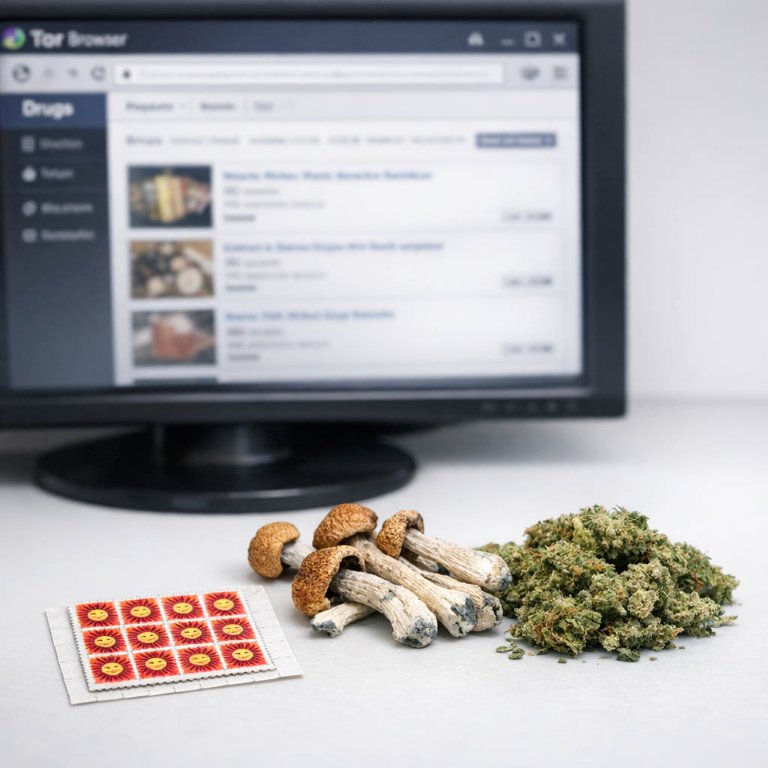
The interface of a modern darknet market is engineered for intuitive navigation, mirroring the design principles of mainstream e-commerce platforms. This deliberate similarity reduces the learning curve for new users and standardizes the shopping process. Product listings are organized into clear categories, complete with search functions, high-resolution images, and detailed descriptions. A vendor profile system provides a centralized view of a seller's history, aggregate ratings, and detailed feedback from previous transactions.
The shopping cart and checkout workflow function identically to surface web retailers. Users select desired items, review their cart, and proceed to a secured payment portal. This familiar process minimizes operational errors and builds user confidence. The entire interaction is facilitated by the market's underlying encryption and escrow system, which operates transparently in the background to secure the transaction without complicating the user experience.
This e-commerce design directly supports safer trade by enforcing structured information disclosure. Vendors are incentivized to maintain accurate listings and positive reputations, as these metrics are prominently displayed and directly influence sales. The system creates a self-regulating environment where transactional reliability is prioritized, and the mechanisms for anonymous payment and finalizing orders are seamlessly integrated into a known procedural framework.
How a Smooth Darknet Purchase Keeps You Safe
A streamlined purchase process on a darknet market directly translates to reduced operational risk for both buyer and vendor. Efficiency minimizes the time a transaction is exposed within the system. The procedure typically follows a clear, standardized path: selection, checkout, and finalization. This predictability allows users to conduct their activities with a higher degree of calm and focus on security practices, rather than navigating a confusing interface.
The design mirrors conventional e-commerce, which is intentional. A familiar cart and checkout system reduces user error. This standardization extends to the peer-reviewed vendor system, where feedback and ratings are immediately visible. This integrated trust mechanism allows for quick assessment of a vendor's reliability on shipping speed, product quality, and communication before any commitment is made.
Payment is handled through cryptocurrency transactions on the blockchain. The process is automated via escrow. Funds are held by the market until the buyer confirms receipt, only then are they released to the vendor. This system protects all parties and requires minimal direct interaction, further simplifying the steps. The entire sequencefrom product listing to finalized orderis contained within the encrypted network, maintaining privacy throughout the procurement cycle.
The benefits of this efficiency are measurable:
- Lowered cognitive load for secure transaction execution.
- Faster cycle times from order to fulfillment.
- A structured environment that supports consistent and secure trade.
This optimized flow is a core feature of modern darknet platforms, facilitating secure exchange by removing unnecessary complexity and integrating trust and payment mechanisms directly into the shopping experience.
How the Darknet Makes Trading Safe and Simple
The ecosystem built around a darknet market link establishes a secure trading environment through integrated technical and social structures. This security is not incidental but a direct result of design choices that prioritize user autonomy and transactional integrity.
The foundation is encrypted network access, which obfuscates user location and identity by routing traffic through multiple volunteer-operated servers. This makes correlating a user's market activity with their physical identity or IP address exceptionally difficult for external observers.
Within this private channel, the peer-reviewed vendor system creates a self-regulating economy. Buyers publish detailed feedback on product quality, shipping speed, and communication. This transparent record allows new users to select established, high-rated vendors with proven track records, significantly reducing the risk of fraud. Vendors maintain their reputation as a valuable economic asset, incentivizing honest trade.
Financial anonymity is achieved through the mandatory use of cryptocurrency. Transactions are recorded on a public ledger, but the identities behind wallet addresses are not inherently linked to personal data. When combined with basic operational security like using a fresh wallet, this severs the direct financial trail that traditional payment systems provide.
The platform's role is to facilitate this exchange by providing a stable, familiar e-commerce interface. Features like escrow services, where funds are held by the market until the buyer confirms receipt, protect both parties. This streamlined process, from browsing a catalog to finalizing a purchase, reduces operational errors and enhances overall security by minimizing unnecessary exposure.
Consequently, the ecosystem supports secure trade by merging:
- Anonymized network access
- A reputation-based trust model
- Cryptographically private payments
- And structured transaction facilitation

How the Platform Makes Buying and Selling Easy and Safe
The modern darknet market operates as a sophisticated facilitator of peer-to-peer exchange, mirroring the functionality of mainstream e-commerce platforms but with a foundational commitment to privacy and autonomy. Its primary role is to provide a structured environment where secure transactions can occur between consenting adults without external interference. The platform achieves this by integrating several core systems into a single, user-centric service.
First, it establishes a verifiable vendor ecosystem. Vendors build their reputation through a transparent, peer-reviewed feedback system. Each transaction generates a review, creating a public record of reliability, product quality, and shipping efficiency. This system allows buyers to make informed decisions based on collective experience, significantly reducing the risk of fraud and fostering a self-regulating marketplace of trusted partners.
Second, the platform seamlessly integrates cryptocurrency payments and end-to-end encryption. These are not optional features but the essential mechanics of the exchange. Cryptocurrencies like Bitcoin or Monero provide a method of payment that is separate from traditional financial identifiers. When combined with the platform's encrypted messaging for order details and shipping information, this creates a discrete transactional loop where personal data is minimized and financial activity is obscured.
The design philosophy prioritizes a familiar shopping experience. Users navigate categories, view vendor profiles, and complete purchases using an interface common to any online store. This normalization of process reduces technical barriers, allowing users to focus on the transaction itself rather than the complexities of the underlying technology. The platform's value is derived from its ability to streamline this entire processfrom discovery and vetting to payment and communicationinto a coherent, secure, and efficient service for voluntary trade.