Darknet Markets 2026:
The dark web is part of the deep web but is built on darknets: overlay networks that sit on the internet but which can't be accessed without special tools or software like Tor. Tor is an anonymizing software tool that stands for The Onion Router — you can use the Tor network via Tor Browser.
| Darknet Market | Established | Total Listings | Link |
|---|---|---|---|
| TorZon Market | 2022 | 140+ | Onion Link |
| Nexus Market | 2024 | 600+ | Onion Link |
| Abacus Market | 2022 | 100+ | Onion Link |
| Ares | 2026 | 100+ | Onion Link |
| Cocorico | 2023 | 110+ | Onion Link |
Updated 2026-09-12
How Tor and Ratings Make Drug Buying on the Darknet Safe and Easy
Darknet markets provide a secure environment for anonymous commerce, fundamentally reliant on the Tor network. This technology routes a user's connection through multiple encrypted layers, effectively masking their IP address and physical location from the market platform and other users. This architectural foundation is critical for maintaining privacy for both buyers and sellers.
The shopping experience is streamlined through organized vendor rating systems and escrow services. Buyers can assess a vendor's history based on detailed feedback, which creates a self-regulating ecosystem of trust. The escrow system holds the buyer's cryptocurrency payment securely until the goods are received and confirmed, mitigating the risk of fraud for both parties. This combination of cryptographic privacy, financial security, and community-driven reputation metrics facilitates a smooth and reliable transactional process.
How Crypto and Encryption Secure Darnet Purchases
The financial infrastructure of darknet markets is built upon two complementary technologies: cryptocurrency and encryption. These systems work in tandem to create a secure and pseudonymous environment for commercial transactions, effectively separating financial activity from real-world identity.
Cryptocurrencies like Bitcoin and Monero are the primary mediums of exchange. Their decentralized nature means no central bank or payment processor can freeze accounts or reverse transactions. Payments are recorded on a public ledger, the blockchain, but the identities behind the wallet addresses are not inherently revealed. For enhanced privacy, markets encourage the use of tumbling services or privacy-centric coins like Monero, which obfuscate transaction trails, making financial flows significantly more difficult to trace compared to traditional electronic payments.
This financial privacy is secured by cryptographic encryption at every step. All communications, from browsing listings to finalizing a deal, are protected. When a buyer initiates a purchase, the payment is not sent directly to the vendor. Instead, it is placed into a multisignature escrow system. This requires two or three cryptographic keys to release the funds:
- one key is held by the buyer,
- one by the vendor,
- and one by the market's escrow service.
The funds are only released when the buyer confirms receipt of the goods, ensuring the vendor is paid for delivered products and the buyer is not defrauded. The entire process, from order dialogue to wallet addresses, is encrypted, meaning that even if network traffic is intercepted, the transaction details remain confidential. This combination of pseudonymous currency and strong encryption provides a robust framework for secure trade, minimizing the risks of financial fraud and exposure for both parties involved.
How Darknet Reviews Help You Buy Safely
Vendor rating systems are a fundamental component of darknet markets, providing a transparent mechanism for establishing trust between anonymous parties. These systems aggregate user feedback into quantifiable metrics, typically a vendor score and detailed review history. A high rating, often displayed as a percentage, directly correlates with a vendor's consistent history of delivering the advertised product quality, maintaining discreet packaging, and providing reliable communication. This feedback loop creates a self-regulating environment where reputable vendors are easily identifiable and financially rewarded with increased sales.
The structure of these reviews is comprehensive, moving beyond a simple star system. Buyers commonly report on specific transaction aspects:
- The accuracy of the product's weight and purity
- The speed and stealth of the shipping process
- The professionalism and responsiveness of the vendor's communication
How Escrow Makes Buying and Selling on the Darknet Safer
Escrow services are a fundamental component of trust on darknet markets, acting as a neutral third party in transactions. When a purchase is made, the buyer's cryptocurrency is held by the market's escrow system, not released directly to the vendor. This mechanism ensures that the vendor must fulfill the order satisfactorily before receiving payment. The funds are only disbursed after the buyer confirms receipt and quality of the goods, which is typically done by finalizing the order on the market.
This system directly addresses the inherent risks of anonymous commerce. For the buyer, it provides a powerful safeguard against fraudulent vendors who might otherwise accept payment and not ship products. For the vendor, it guarantees that payment is secured upfront, eliminating the risk of a buyer refusing to pay after the goods are shipped. The automated nature of crypto-escrow, governed by multisignature wallets or market-controlled addresses, makes this process seamless and reduces the need for personal trust between anonymous parties.
The effectiveness of escrow is amplified when combined with the market's other features. A vendor's positive rating and review history gives buyers confidence, while the escrow service provides a tangible safety net. This combination creates a structured environment where commerce can proceed with minimized risk, supporting the overall reliability and smooth operation of the platform. The result is a more stable and predictable marketplace for all participants.
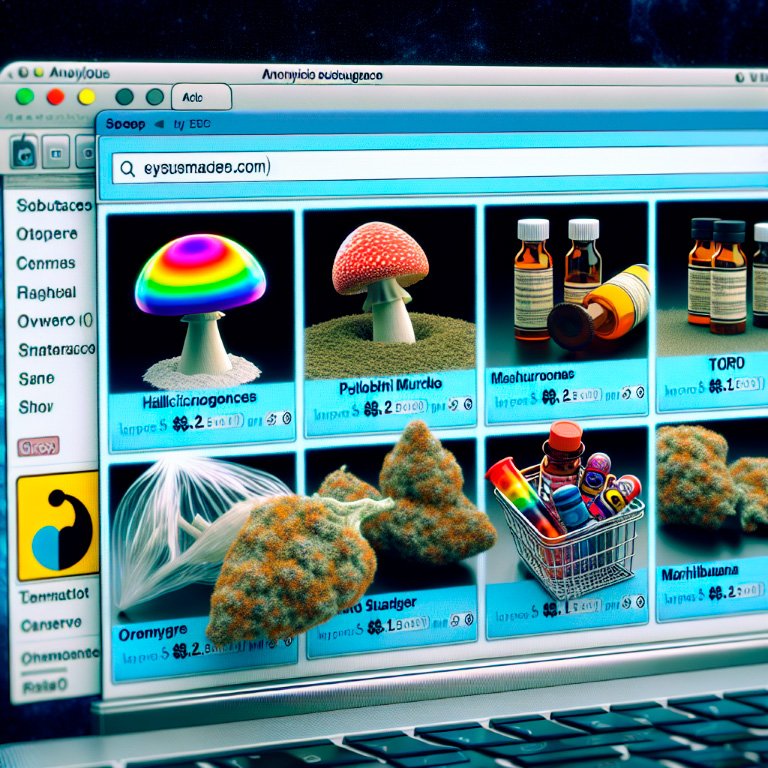
A Huge Selection of Items, Including Drugs
The product diversity on darknet markets is a direct function of their operational model. Anonymity and secure cryptocurrency payments create an environment where commerce is not constrained by conventional legal frameworks. This results in a catalog that extends far beyond typical e-commerce, with psychoactive substances representing a primary category of trade. These substances range from plant-based materials to synthesized compounds, each with detailed listings specifying purity, origin, and suggested dosage.
Beyond this, the markets facilitate trade in other digital and physical goods.
Common categories include:
- Digital products such as software licenses, security tools, and compromised data sets.
- Forgeries including documents, currencies, and credentials.
- Legal goods that prioritize privacy, such as books, electronics, and apparel.
The vendor rating systems and escrow services are critical for managing the risks associated with this unregulated trade. Positive feedback and completed transactions build a vendor's reputation, which acts as a market-driven quality assurance mechanism. This structure allows for a smooth purchasing experience where buyer confidence is derived from peer reviews and secured financial transactions, rather than institutional guarantees.

Easy Browsing with Organized Listings
The organizational structure of a darknet market is a critical feature for its usability and efficiency. Unlike chaotic forums, these platforms implement a catalog system similar to mainstream e-commerce sites. Products are categorized logically, often by substance type, pharmaceutical use, digital goods, or other services. This allows users to navigate directly to their area of interest without sifting through irrelevant posts.
Each listing within a category is standardized, typically containing:
- A clear product title and detailed description
- High-quality photographs from the vendor
- Explicit pricing in cryptocurrency, often with bulk discounts
- Shipping options and origin country
- Direct links to the vendor's profile and rating history
Advanced search and filter functions are standard, enabling sorting by price, vendor reputation, shipping destination, or newest listings. This level of organization transforms the shopping experience from a risky exploration into a predictable and transaction-focused process. The efficiency gained through structured browsing directly supports operational security by minimizing time spent on the platform and reducing user error.
Security That Keeps the Darknet Shopping Experience Smooth
The sustained operation of a darknet market is a direct function of its operational security (OpSec). This encompasses the technical and procedural measures that protect the platform from disruption, ensuring consistent availability and reliable access for its user base. A core component is the use of Tor hidden services, which anonymize the server's location, making it resistant to simple takedowns. This infrastructure is frequently mirrored and backed up, allowing administrators to restore service quickly using a new .onion address if one node is compromised.
Market administrators implement rigorous security protocols for themselves and their codebase. Financial operations are automated through multisignature escrow and direct cryptocurrency transactions, minimizing the need for staff to handle funds directly and reducing the attack surface for exit scams. The platform's software is often open-source or regularly audited by the community to identify backdoors or vulnerabilities. Furthermore, robust vendor rating systems and internal communication channels are encrypted end-to-end, preventing the accumulation of plaintext data that could be exploited. This layered approach to security creates a resilient ecosystem where trade can proceed with minimal external interference, directly supporting the safe and anonymous shopping experience.

Always Open for Business on the Darknet
The operational resilience of darknet markets is a critical factor for user trust and platform viability. This resilience is achieved through a combination of technical infrastructure and community-driven protocols. Markets operate on the Tor network, which provides inherent redundancy and resistance to single points of failure. Server infrastructure is often distributed and mirrored, ensuring that if one node is compromised or goes offline, alternative .onion addresses remain functional, maintaining consistent access for users.
Administrators employ proactive measures to ensure uptime, including regular migrations of server locations and the use of DDoS protection services tailored for the anonymous web. This technical diligence results in platforms that are available around the clock, providing a reliable shopping environment comparable to conventional e-commerce. The community contributes to this reliability by rapidly sharing new access links through trusted forums and repositories when primary URLs change, creating a self-sustaining ecosystem for access.
This consistent availability directly supports the economic model of the market. It allows for sustained vendor-customer relationships, facilitates the steady flow of cryptocurrency payments, and ensures that the vendor rating systems and escrow services remain active and effective. Without reliable access, the security and anonymity features would be rendered moot, as users could not depend on the platform to complete transactions or resolve disputes. Therefore, the sustained operational presence of these markets is not merely a convenience but a foundational component of the secure and anonymous shopping experience they provide.